

The Concrete Industry in Cincinnati in 2026: What’s Changing, What’s Winning, and Who to Call
If you’ve noticed more cones, more curb work, and more “fresh flatwork” around Greater Cincinnati lately, you’re not imagining it. In 2026, concrete is still the backbone of the region’s homes, retail centers, warehouses, churches, medical offices, parking lots, and neighborhoods. But the rules of what “good concrete” looks like are changing faster than most people realize.
Quick takeaway: In 2026, the concrete industry in Cincinnati is being shaped by three forces: durability demands (freeze-thaw and deicers), evolving cement mixes (like Type IL / Portland-limestone cement), and tighter timelines driven by workforce and scheduling pressures. The contractor you choose matters more than ever, because a “looks good today” pour can become a “why is it scaling already?” problem after one winter.
 Table of Contents
- 1) The Concrete Industry in Cincinnati in 2026: What’s Changing and Why It Matters
- 2) Cincinnati’s Climate, Soil, and Road Salt: The Local Factors That Break Bad Concrete
- 3) What “Quality Concrete Work” Actually Means in 2026 (It’s Not Just 4,000 PSI)
- 4) Residential Concrete in 2026: What Cincinnati Homeowners Are Investing In (and Why)
- 5) Commercial Concrete in 2026: Parking Lots, Loading Zones, ADA Ramps, and “No-Downtime” Expectations
- 6) Mix Design in 2026: Why “Modern Concrete” in Cincinnati Looks Different Than It Did a Decade Ago
- 7) The Make-or-Break Step in Cincinnati: Site Prep, Base, Drainage, and the “Hidden” Engineering Under the Slab
- 8) Decorative and Functional Concrete Trends in 2026: What Cincinnati Clients Actually Want
- 9) Concrete Repair vs. Replacement in 2026: How to Make the Smart Call (and Avoid Wasting Money)
- 10) How to Choose the Best Concrete Contractor in Cincinnati in 2026 (A Simple Checklist That Works)
1) The Concrete Industry in Cincinnati in 2026: What’s Changing and Why It Matters
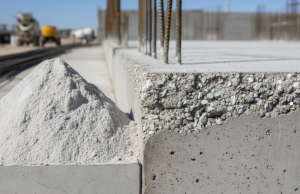 Here’s the big shift: concrete buyers in 2026 care about performance and longevity first, then aesthetics, and increasingly, sustainability. That’s not just a feel-good trend. Institutional buyers and large commercial owners are paying closer attention to durability specs (freeze-thaw resistance, jointing, drainage, subgrade prep) and also to “low embodied carbon” documentation as procurement standards evolve.
At the same time, the cement and concrete supply chain is evolving. Portland-limestone cement (Type IL / PLC) has become a mainstream option because it can reduce clinker content while maintaining performance when properly designed and placed. That shift shows up more often in specs, product sheets, and project conversations than it did just a few years ago.
Now zoom into Cincinnati realities: our region is a freeze-thaw market. If you’re a homeowner, that means more competition for good crews and more incentive to choose a contractor that’s organized, prepared, and experienced. If you’re a business owner, it means concrete is not just “a slab.” It’s uptime. It’s customer access. It’s liability reduction.
This is exactly where Cincinnati Site Solutions fits: we’re not trying to be everyone’s cheapest quote. We’re built to be the team that gets the fundamentals right—mix, base, drainage, reinforcement choices, jointing, curing, and finish—so your concrete looks sharp now and still performs after Cincinnati has thrown ten winters at it.
Helpful links: • Commercial Concrete • Concrete Driveways
2) Cincinnati’s Climate, Soil, and Road Salt: The Local Factors That Break Bad Concrete
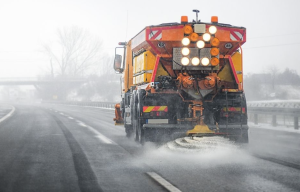 Cincinnati isn’t the easiest place in America to pour concrete that lasts. That’s not pessimism. That’s just physics—and it’s why contractors who only know “sunbelt concrete” get humbled here.
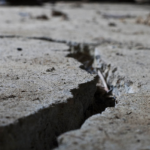
Definition: Freeze-thaw damage happens when water gets into concrete, freezes, expands, and creates internal pressure that causes cracking, scaling, or surface flaking over repeated cycles.
Our region’s exposure conditions can be severe: exterior slabs often experience moisture, freezing and thawing cycles, and deicing chemicals—an ugly combination that can lead to surface scaling and premature failure. Many durability resources caution against aggressive deicer use on “young” concrete, especially during the first winter.
What does that mean for a homeowner or property manager in Cincinnati? It means your driveway, walkway, patio, steps, or ramps need to be treated like an outdoor system—not just a surface.
- Base + drainage matter as much as the concrete itself.
- Air entrainment is critical for exterior slabs exposed to freeze-thaw.
- Curing and drying time matter before harsh winter exposure and deicers.
- Timing matters: late-season placements require extra discipline and protection.
Safety note: Concrete walkways, ramps, and steps affect fall risk and accessibility. If your site involves public access, ADA considerations, slope, drainage, and traction should be handled carefully and, where required, in compliance with local codes and permitting.
3) What “Quality Concrete Work” Actually Means in 2026
 People love to ask, “Is it 4,000 PSI?” That’s a fair question—but in 2026, compressive strength is only one piece of quality. You can have a high-strength mix and still end up with scaling, cracking, or early deterioration if the rest of the system is wrong.
Definition: Quality concrete work is the combination of proper mix design, correct placement, correct finishing, correct jointing, and correct curing—matched to local exposure conditions (like freeze-thaw and deicers).
Quality Concrete Checklist (Cincinnati-Adjusted)
 Site preparation: stable subgrade, correct compaction, and a drainage strategy.
- Air-entrained exterior mixes: key to freeze-thaw resistance.
- Water management: lower w/cm ratios typically support durability when executed properly.
- Proper finishing: avoid finishing mistakes that weaken the surface paste.
- Jointing plan: joints help concrete crack where you want it to.
- Curing plan: curing is where long-term durability gets protected.
This is where Cincinnati Site Solutions differentiates. We’re deliberate and Cincinnati-aware. We treat each job like it has a service life, a traffic profile, and a winter forecast waiting to test it.
Helpful links: • Concrete Slabs • Concrete Repair
4) Residential Concrete in 2026: What Cincinnati Homeowners Are Investing In (and Why)
 Homeowners aren’t just “pouring a driveway” anymore. In 2026, residential concrete projects in Cincinnati are tied to lifestyle and property value. People want spaces that feel like an extension of the home—clean lines, safer walking areas, and outdoor layouts that actually get used.
Most Requested Residential Concrete Projects
- Driveways built for real winters (proper base, slope, and salt-aware finishing)
 Patios designed like outdoor rooms (space for cooking, seating, gathering)
- Walkways that guide guests (and reduce muddy routes through the yard)
- Retaining walls and grade correction (Cincinnati lots love elevation changes)
- Concrete steps and stoops that feel sturdy and architectural
What’s behind the demand? In plain English: people are tired of repairs. Cincinnati weather punishes shortcuts, and homeowners have learned that concrete that fails early becomes a recurring bill. That’s why our approach is simple: get the foundation and the finish right, then protect the slab with solid curing guidance.
Helpful links: • Driveways • Patios • Walkways
5) Commercial Concrete in 2026: Parking Lots, Loading Zones, ADA Ramps, and “No-Downtime” Expectations

Commercial concrete is where mistakes get expensive. When a driveway cracks at a home, it’s annoying. When concrete fails at a business, it can affect customer flow, deliveries, slip/trip liability, ADA access, and brand perception.
Quick takeaway: Commercial concrete priorities in 2026 are durability (freeze-thaw + deicers), drainage, jointing strategy, and phasing work to minimize downtime.
Commercial Projects Cincinnati Businesses Need
 Parking lot panels and aprons (heavy turning zones)
- Loading dock approaches (repeated heavy loads)
- Dumpster pads (concentrated loads)
- Sidewalk networks (public access + safety + curb appeal)
- ADA ramps and accessible routes (slope + texture + transitions)
- Commercial slabs for additions or new construction
Cincinnati Site Solutions is a strong fit for commercial buyers because we understand your concrete isn’t just “construction.” It’s operations. We plan work in phases, prioritize safe transitions, and build for real-world use—vehicles, foot traffic, maintenance routines, and Cincinnati winters.
Helpful links: • Commercial Concrete • ADA Ramps • Parking Lots
6) Mix Design in 2026: Why “Modern Concrete” in Cincinnati Looks Different Than It Did a Decade Ago
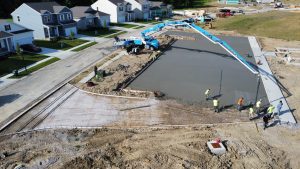 Concrete in 2026 isn’t the same creature it was in 2016. The industry is adjusting to performance demands, material availability, and sustainability expectations. Cincinnati sits right in the middle of the real-world stress test: wet seasons, freeze-thaw cycles, and deicing chemicals.
One of the biggest shifts is the mainstream adoption of Portland-limestone cement (PLC / Type IL). In the right designs, PLC can reduce the carbon footprint of concrete while still meeting performance requirements. At the same time, the market continues to use supplementary cementitious materials (SCMs) where appropriate, depending on availability and performance goals.
 For Cincinnati exterior flatwork, durability fundamentals still rule the day: air entrainment, moisture management, thoughtful finishing, and a curing plan that respects the season you’re building in.
Cincinnati Site Solutions doesn’t “default” to a one-size-fits-all approach. We ask: What’s the exposure? What’s the traffic? What’s the drainage? When is this being placed? Then we match the plan to Cincinnati reality—so you’re not paying twice for the same surface.
7) The Make-or-Break Step in Cincinnati: Site Prep, Base, Drainage, and the “Hidden” Engineering Under the Slab
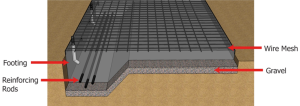 If concrete were a body, the slab would be the skin. The base is the skeleton. And in Cincinnati, that skeleton matters more than most people want to admit.
Most premature concrete problems start under the slab. Settlement, rocking corners, ponding water, and random cracking often trace back to rushed excavation, weak compaction, and poor drainage planning. If water sits under or on concrete and temperatures swing, freeze-thaw stress rises fast. Many Ohio durability resources also highlight the importance of sloping surfaces for drainage to reduce saturation risk.
Definition: Subgrade and base preparation is the process of excavating to proper depth, compacting the soil, placing a stable aggregate base, and shaping slope/drainage so the slab stays supported and sheds water.
What Cincinnati Site Solutions focuses on (the stuff that makes concrete last)
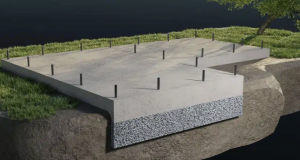 Correct excavation depth (not “close enough”)
- Proper compaction so the slab isn’t sitting on loose fill
- Aggregate base placed and graded deliberately
- Slope planning so water moves away from structures
- Jointing layout planning so cracking is controlled
At Cincinnati Site Solutions, we treat prep like the job, not the prelude. Because once the concrete is down, you can’t “fix” what’s underneath without tearing it out.
8) Decorative and Functional Concrete Trends in 2026: What Cincinnati Clients Actually Want
 Decorative concrete used to be a “nice-to-have.” In 2026, it’s a practical upgrade—especially in Cincinnati, where homeowners want outdoor spaces that feel finished and business owners want surfaces that stay sharp without constant maintenance.
Residential trends
- Stamped patios that mimic stone/brick without the joint maintenance
- Colored accents that make outdoor spaces feel intentional
- Broom-finish walkways for traction (a smart Cincinnati choice)
- Outdoor gathering zones (patio expansions, seat walls, fire-feature pads)
Commercial trends
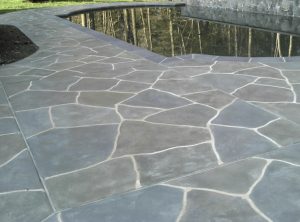 Clean, high-visibility entrances (professional look + safer access)
- Defined pedestrian routes (better traffic flow, fewer trip risks)
- Durable service areas like dumpster pads
- ADA-friendly access upgrades that improve usability for everyone
The deeper trend is this: clients want beauty that performs. Cincinnati weather punishes poor drainage and finish mistakes, so the winning approach blends smart slope planning, an appropriate finish, and a curing plan that protects early-life durability.
Helpful links: • Decorative Concrete • Concrete Patios
9) Concrete Repair vs. Replacement in 2026: How to Make the Smart Call (and Avoid Wasting Money)
 The most common question we hear is also the most practical: “Can we fix this, or do we need to replace it?” In 2026, this decision is easier when you judge concrete the way pros do: by structure, drainage, and progression—not just looks.
Featured snippet answer: Repair is usually best for isolated cosmetic damage or minor cracking without movement. Replacement is usually best when slabs have significant settlement, ongoing drainage problems, widespread scaling, or trip hazards that keep coming back.
When repair often makes sense
 Hairline shrinkage cracks with no vertical displacement
- Small spalls in low-traffic areas
- Isolated surface defects where the base is stable
- Minor joint deterioration that can be rebuilt and sealed
When replacement is often the smarter investment
- Settlement or heaving (vertical movement, rocking panels)
- Recurring ponding that creates ice and accelerates scaling
- Widespread scaling across the slab surface
- Safety issues (trip hazards, unstable steps, accessibility barriers)
At Cincinnati Site Solutions, we approach repair vs. replacement with a calm goal: make the choice you won’t regret in two winters. We evaluate the base, slope, joints, and exposure risks, then recommend the path that protects your budget and your property.
10) How to Choose the Best Concrete Contractor in Cincinnati in 2026
In 2026, choosing a concrete contractor shouldn’t feel like flipping a coin. The best choice usually becomes obvious when you ask better questions—questions that reveal process, not just price.
Quick checklist
- Do they talk about drainage and base prep first? If they only talk about surface finish, you’re missing the foundation of durability.
- Do they understand freeze-thaw and deicer risk? Cincinnati is a durability market, not a “pour and forget” market.
- Do they have a curing plan? This matters especially for cold-weather schedules and first-winter care.
- Can they phase commercial work to reduce downtime? Huge for business continuity and safety.
- Do they communicate clearly and document expectations? A smooth job is usually a planned job.
Why Cincinnati Site Solutions is the “safe bet” in 2026
Cincinnati Site Solutions isn’t built around shortcuts. We’re built around outcomes:
- Better prep → fewer failures
- Better planning → fewer surprises
- Better finishing + curing → better durability
- Better communication → better customer experience
We work with residential and commercial clients across Greater Cincinnati and bring the same discipline to a driveway as we do to a commercial entrance—because both impact safety, usability, and property value.
CTA (internal link): Ready to talk through a project? Visit Contact Cincinnati Site Solutions to schedule a consultation.
References (Reputable Sources)
- Ohio Concrete (PDF): Scaling Concrete Surfaces (2025). https://www.ohioconcrete.org/wp-content/uploads/2025/03/OC-Scaling-Document-for-template-with-photos-2025.pdf
- Ohio Concrete (PDF): Use of Deicing Agents on your Concrete Surface may be Harmful. https://www.ohioconcrete.org/wp-content/uploads/2020/01/Use-of-Deicers-01-14-2020.pdf
- FHWA (PDF): Air Entrainment and Concrete Durability (2019). https://www.fhwa.dot.gov/pavement/pubs/hif17009.pdf
- FHWA: PCC Pavement Research Intro (Air entrainment & freeze-thaw). https://www.fhwa.dot.gov/publications/research/infrastructure/pavements/pccp/06117/01.cfm
- NRMCA (PDF): CIP 45 Portland-Limestone Cement (PLC) (Type IL). https://www.nrmca.org/wp-content/uploads/2021/10/45pr.pdf
- Portland Cement Association: Blended Cements & Sustainability (PLC/Type IL). https://www.cement.org/a-sustainable-future/reaching-our-goal/blended-cements/
- EPA: Reduced Emissions in Construction Materials (CMORE). https://www.epa.gov/greenerproducts/cmore
- EPA (PDF): Low Embodied Carbon Materials (2024). https://www.epa.gov/system/files/documents/2024-11/resources_lecm.pdf
Author Bio
 Cincinnati Site Solutions Content Team publishes practical, homeowner- and business-friendly guidance on concrete planning, durability, and project best practices in Greater Cincinnati. Our articles are reviewed internally for jobsite realism, local climate considerations, and clear, safety-conscious recommendations.